
cylence ultra mixing instructions
CyLence Ultra Mixing Instructions: A Comprehensive Guide
CyLence Ultra offers effective pest control when mixed correctly; this guide details precise steps for optimal results, ensuring a safe and powerful application․
Understanding CyLence Ultra Concentrate
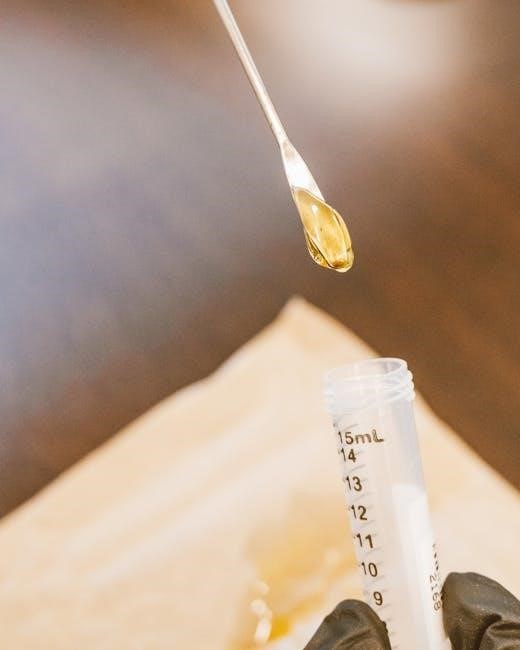
CyLence Ultra is a potent pest control concentrate formulated with Beta-cyfluthrin, designed for both indoor and outdoor applications․ This concentrate requires dilution with water before use, offering flexibility in application strength based on pest pressure and location․
The 32ml size is capable of making up to 2 gallons of finished spray solution, making it an economical choice for larger properties or frequent treatments․ It’s crucial to understand that CyLence Ultra isn’t a ready-to-use product; proper mixing is paramount for its effectiveness and safety․
Its concentrated nature allows for customized dilution rates, typically ranging from 8 to 16 ml per gallon of water, depending on the target pests and the desired level of residual control․ Always refer to the label for specific dilution instructions and ensure thorough mixing before application to guarantee consistent pest control․
What is Beta-Cyfluthrin?
Beta-cyfluthrin is a synthetic pyrethroid insecticide, a class of compounds known for their effectiveness against a broad spectrum of pests․ It functions by disrupting the nervous system of insects, leading to paralysis and ultimately, death․ This active ingredient is a key component of CyLence Ultra, providing rapid knockdown and residual control of various flying, crawling, and chewing insects․
Its formulation allows for effective pest management in diverse environments, including livestock buildings, horse stables, and general premise applications․ Beta-cyfluthrin exhibits a relatively low mammalian toxicity when used as directed, but responsible handling and adherence to safety precautions are essential․
The concentration of Beta-cyfluthrin in CyLence Ultra (11․8%) delivers potent insecticidal activity, offering up to four weeks of residual control․ Understanding its properties is crucial for maximizing its benefits and ensuring safe, effective pest control․
Target Pests Controlled by CyLence Ultra
CyLence Ultra, powered by Beta-cyfluthrin, demonstrates exceptional control over a wide array of troublesome pests․ This includes numerous flying insects such as house flies, stable flies, and mosquitoes, significantly improving comfort in livestock and equine environments․
Crawling pests like cockroaches, ants, and spiders are also effectively managed with CyLence Ultra applications․ Furthermore, it tackles chewing insects, offering protection against damaging pests that can affect stored products or building structures․
Specifically, it’s highly effective in horse stables and barns, targeting pests that bother horses and compromise their well-being․ The broad-spectrum activity of this concentrate makes it a versatile solution for both indoor and outdoor pest pressures, controlling over 60 pest types․
Safety Precautions Before Mixing
Prior to mixing CyLence Ultra, a thorough review of the product label is crucial for understanding all safety guidelines․ Always read and follow these instructions meticulously to ensure personal safety and environmental protection․
Work in a well-ventilated area to avoid inhaling any fumes or spray mist․ Avoid contact with skin, eyes, and clothing․ Keep children and pets away from the mixing and application areas․ Never mix CyLence Ultra with other pesticides or chemicals, as this could create hazardous reactions․
Ensure you have the appropriate Personal Protective Equipment (PPE) readily available – gloves, eye protection, and potentially a respirator, depending on the application method․ Familiarize yourself with first aid procedures in case of accidental exposure․
Personal Protective Equipment (PPE) Required
When handling CyLence Ultra, utilizing appropriate Personal Protective Equipment (PPE) is non-negotiable for safeguarding your health․ A minimum requirement includes chemical-resistant gloves, such as nitrile or neoprene, to prevent skin contact with the concentrate․
Eye protection is paramount; safety glasses with side shields or a face shield are essential to shield against splashes or spray mist․ For mixing and application in enclosed spaces, or when spraying overhead, a respirator approved for pesticide exposure is strongly recommended․
Long-sleeved shirts and long pants should be worn to minimize skin exposure․ After handling, thoroughly wash hands, arms, and any exposed skin with soap and water․ Contaminated clothing should be laundered separately from other garments before reuse․
Environmental Considerations

Applying CyLence Ultra requires mindful consideration of the surrounding environment to minimize potential harm․ Avoid direct application to bodies of water, such as lakes, rivers, and streams, to protect aquatic life․ Do not contaminate water sources through improper disposal of diluted product or rinse water․
Exercise caution near sensitive areas like gardens, ornamental plants, and bee hives․ Drift control measures, such as using low-spray nozzles and avoiding application during windy conditions, are crucial․ Be aware of runoff potential, especially on sloped surfaces, and take steps to prevent it․
Properly contain any spills and clean them up immediately, following label instructions․ Always adhere to local, state, and federal regulations regarding pesticide application and environmental protection․ Responsible use ensures both effective pest control and environmental stewardship․
Mixing Instructions: Detailed Steps
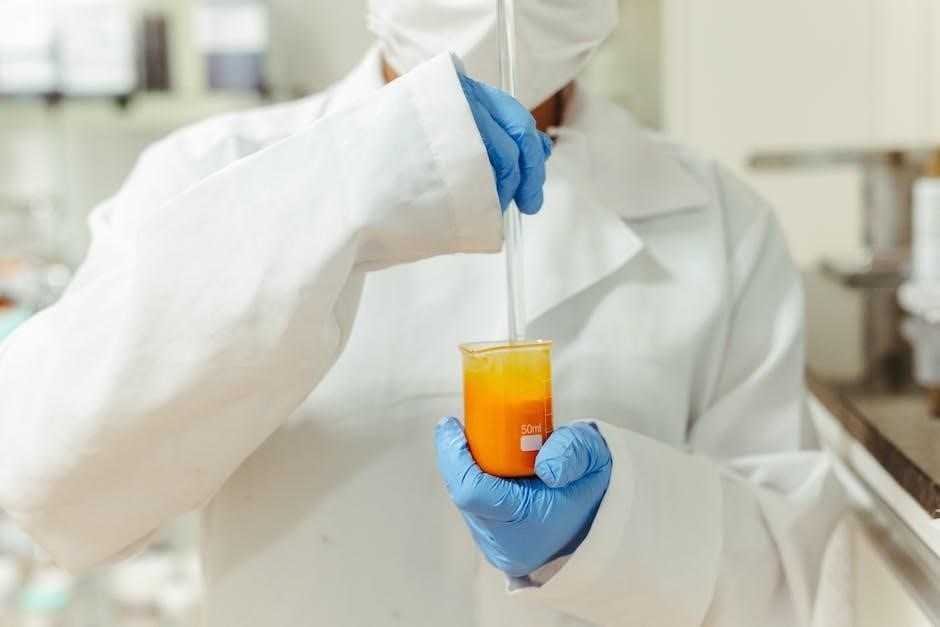
Achieving optimal pest control relies on precise mixing; carefully follow these steps to create a stable and effective solution for application, ensuring safety․
Calculating the Correct Dilution Ratio
Determining the appropriate dilution ratio is crucial for CyLence Ultra’s effectiveness․ The product label specifies a mixing range of 8 to 16 ml of concentrate per gallon of water․ This flexibility allows for customized treatment based on pest pressure and infestation severity․
For light infestations or preventative applications, a lower dilution rate of 8 ml per gallon is often sufficient․ Conversely, heavier infestations or persistent pest problems necessitate a higher concentration, up to 16 ml per gallon․
Accurate calculations are paramount․ To simplify, remember that 32 ml of concentrate yields approximately 2 gallons of diluted solution when using the maximum recommended rate․ Always double-check your calculations to avoid under or over-diluting the mixture, as this can compromise efficacy or potentially harm surfaces․
Mixing with Water: The 8-16 ml/gallon Range
The core of CyLence Ultra’s application lies in properly mixing the concentrate with water; Begin with a clean container, ensuring it’s free from any previous chemical residues․ Add the required amount of CyLence Ultra – between 8 and 16 ml – for each gallon of water you intend to use․
Gradually pour the concentrate into the water while stirring continuously․ This ensures thorough dispersion and prevents clumping․ Avoid adding water to the concentrate directly, as this can cause splashing and uneven mixing․ Continue stirring for at least one minute after the concentrate is fully incorporated․
The resulting solution should appear uniform in color and consistency․ If any settling occurs during application, re-stir the mixture before continuing․ Remember, the 8-16 ml range provides flexibility based on pest pressure, so adjust accordingly․
Using a Measuring Device for Accuracy
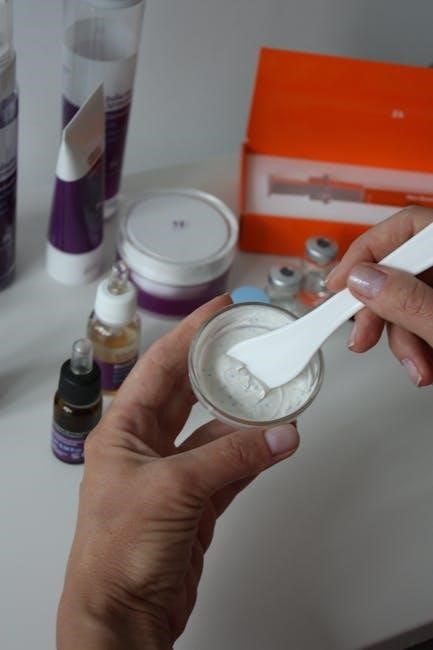
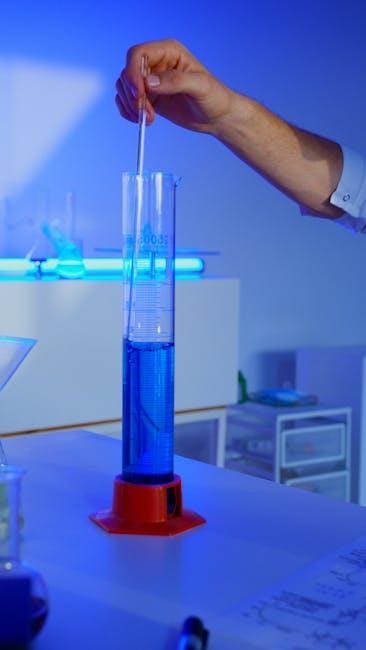
Achieving optimal pest control with CyLence Ultra hinges on precise dilution․ Eyeballing the concentrate amount is strongly discouraged; always utilize a calibrated measuring device․ Graduated cylinders, syringes, or dedicated pesticide measuring cups are ideal for ensuring accuracy within the 8-16 ml per gallon range․
Carefully measure the required volume of concentrate, referencing the device’s markings to avoid over or under-dosing․ Double-check your measurement before adding it to the water; Consistent accuracy is crucial, especially when preparing larger batches for widespread application․
Regularly inspect your measuring device for wear and tear, ensuring the graduations remain clear and accurate․ Inaccurate measurements can compromise the product’s effectiveness and potentially lead to increased pest pressure or unintended consequences․ Prioritize precision for best results․
Application Methods & Considerations
CyLence Ultra can be applied using various methods, including sprayers – handheld, backpack, or motorized – ensuring thorough coverage is paramount․ When spraying, maintain a consistent nozzle pressure and walking speed to deliver an even application rate across the target area․
Consider the surface being treated; porous surfaces may require higher volumes for adequate penetration․ Avoid application during windy conditions to prevent drift onto non-target areas․ Always spray directly onto pests when possible for immediate knockdown․
For residual control, focus on areas where pests frequently harbor, such as cracks, crevices, and along baseboards․ Regularly inspect treated areas and reapply as needed, following the re-application guidelines to maintain effective pest management․
Indoor Application Guidelines
When applying CyLence Ultra indoors, ensure adequate ventilation by opening windows and doors․ Focus applications on areas where pests are commonly observed, like around doorways, windowsills, and under appliances․
Avoid direct contact with food preparation surfaces․ If application near food is unavoidable, thoroughly wash and cover all surfaces before treatment․ Do not apply directly into ventilation systems․
For crack and crevice treatments, use a low-pressure spray to target pest hiding places․ When treating carpets or upholstery, test a small, inconspicuous area first to ensure no staining occurs․ Always follow label instructions regarding occupant and pet restrictions after application, allowing sufficient time for the product to dry before re-entry․
Outdoor Application Guidelines
For outdoor use, apply CyLence Ultra when there is minimal wind to prevent drift onto non-target areas․ Focus on perimeter treatments around buildings, foundations, and areas where pests may enter․
Thoroughly inspect and treat areas like around doors, windows, and utility openings․ Pay attention to dense vegetation, as these areas often harbor pests․ Avoid application directly into sewers or drainages․
When treating surfaces like siding or patios, test a small, inconspicuous area first to ensure no discoloration occurs․ Be mindful of nearby flowering plants to protect pollinators․ Always adhere to label instructions regarding re-entry times for people and pets following outdoor application, ensuring complete drying before allowing access․
Application in Livestock Buildings (Barns, Stables)
When applying within livestock buildings, prioritize animal safety by removing animals before spraying and ensuring adequate ventilation during and after application․ Target areas include walls, ceilings, posts, and around windows and doors where flies congregate․
Focus on resting areas for livestock, but avoid direct contact with animals․ Do not apply to feed or water sources․ Thoroughly spray cracks and crevices, as these are common breeding grounds for pests․
For optimal fly control, consider a rotational approach with different insecticide classes to prevent resistance․ Observe label guidelines for re-entry intervals before allowing livestock back into treated areas․ Ensure proper storage of CyLence Ultra away from animal reach, and follow all disposal instructions carefully․
Specific Use Cases & Dilution
Tailor dilution rates to the specific pest pressure and location; horse stables and dairy barns may require adjustments within the 8-16 ml/gallon range․
Fly Control in Horse Stables
Effective fly control in horse stables is crucial for equine health and comfort․ CyLence Ultra provides a robust solution when applied correctly․ For optimal results, mix 8 to 16 ml of concentrate per gallon of water, adjusting based on fly populations and stable conditions․
Thoroughly spray all stable surfaces, focusing on areas where flies congregate – walls, ceilings, stall dividers, and around doorways․ Ensure adequate ventilation during and after application․ Pay close attention to manure storage areas, as these are prime breeding grounds․
Repeat applications may be necessary every 14-28 days, depending on environmental factors and pest pressure․ Always adhere to label instructions for re-application intervals․ Consistent monitoring and preventative spraying are key to maintaining a fly-free environment for your horses․ Remember to prioritize safety and use appropriate PPE during application․
Dairy Barn Application Rates
Maintaining a pest-free dairy barn is vital for milk production and animal welfare․ CyLence Ultra offers an effective solution, requiring precise mixing for optimal performance․ Utilize a dilution rate of 8 to 16 ml per gallon of water, adjusting based on the severity of the pest infestation and barn conditions․
Apply the solution thoroughly to all barn surfaces, including walls, ceilings, posts, and around milking equipment․ Special attention should be given to areas where pests may harbor, such as cracks and crevices․ Ensure proper ventilation during and after application to minimize exposure․
Regular monitoring is essential; re-application may be needed every 28 days to maintain control․ Always consult the product label for specific re-application guidelines․ Prioritize animal safety by allowing treated areas to dry before allowing livestock access․ Consistent application is key to long-term pest management․
General Pest Control Around Livestock
Effective pest control around livestock requires a strategic approach with CyLence Ultra․ Begin by mixing the concentrate at a rate of 8 to 16 ml per gallon of water, tailoring the concentration to the specific pest pressure and environmental conditions․ Thorough coverage is crucial; apply the solution to areas frequented by livestock, including fencing, feed storage, and resting areas․
Pay close attention to potential pest harborage sites like cracks, crevices, and under equipment․ Ensure adequate ventilation during application and allow treated surfaces to dry completely before livestock re-entry․ Regular inspections will help identify and address any re-infestations promptly․
Remember, consistent application, following label instructions, is paramount for maintaining a pest-free environment and protecting the health and well-being of your animals․
Residual Control Duration
CyLence Ultra, when applied correctly, provides a notable period of residual control, effectively managing pest populations for up to four weeks․ However, the actual duration is influenced by several key factors, including surface type, environmental conditions, and the initial pest infestation level․
Smooth, non-porous surfaces generally exhibit longer residual activity compared to porous materials like wood or concrete․ Exposure to rainfall, sunlight, and high temperatures can accelerate the breakdown of the insecticide, reducing its effectiveness․ Heavy pest pressure may also necessitate more frequent applications․
Regular monitoring of treated areas is essential to assess the ongoing level of control and determine when re-application is necessary to maintain optimal pest management․
Factors Affecting Residual Control
Several elements significantly impact how long CyLence Ultra remains effective after application․ Surface porosity plays a crucial role; smooth surfaces like metal or sealed plastic retain the insecticide longer than porous materials like untreated wood or concrete, which absorb it․
Environmental conditions are also key․ Direct sunlight, rainfall, and elevated temperatures accelerate the breakdown of Beta-cyfluthrin, diminishing residual activity․ Increased ventilation can also reduce the concentration over time․
The initial pest population density matters too․ A severe infestation requires a higher initial dose and potentially more frequent re-applications․ Finally, the cleanliness of the treated surface – free from dust and debris – enhances contact and prolongs effectiveness․
Re-Application Guidelines
CyLence Ultra generally provides residual control for up to four weeks, but consistent monitoring is crucial to determine when re-application is necessary․ Regularly inspect treated areas for renewed pest activity; if pests return before the four-week mark, re-treatment may be required․
When re-applying, always adhere to the original dilution rates – between 8 to 16 ml per gallon of water․ Avoid exceeding the maximum recommended dosage, as this doesn’t enhance effectiveness and can increase risks․
Consider rotating insecticides with different active ingredients to prevent pest resistance․ Thoroughly clean treated surfaces before re-application to remove any accumulated dust or organic matter, ensuring optimal contact with the insecticide․
Storage and Disposal
CyLence Ultra concentrate should be stored in its original container, tightly sealed, in a cool, dry, and well-ventilated area, away from direct sunlight and extreme temperatures․ Keep it securely out of reach of children and pets, and always lock up pesticides to prevent accidental exposure․
Do not store near food, feed, or water sources․ When disposing of unused concentrate or empty containers, follow all local, state, and federal regulations․ Never pour leftover pesticide down the drain or into the environment․
For empty containers, triple rinse them with water and dispose of the rinse water according to label instructions․ Contact your local waste management authority for guidance on proper pesticide disposal methods in your area․
Proper Storage Conditions
CyLence Ultra concentrate demands specific storage to maintain its efficacy and safety․ Always keep the product in its original, tightly closed container․ Ideal storage involves a cool, dry location, shielded from direct sunlight and protected from freezing temperatures or excessive heat․ A well-ventilated area is crucial to prevent pressure build-up within the container․
Ensure the storage space is inaccessible to children, pets, and unauthorized personnel․ Implement a locking system for added security․ Avoid storing CyLence Ultra alongside food, feed, or water, preventing potential contamination․
Regularly inspect containers for any signs of damage or leakage․ If damage is detected, carefully transfer the contents to a new, appropriate container, clearly labeled with the product information․
Safe Disposal Methods
CyLence Ultra disposal requires strict adherence to local, state, and federal regulations․ Empty containers should never be reused, as residues can pose risks․ Triple rinse the container with water, adding the rinse water to the spray tank during application․
For plastic containers, dispose of them in an approved recycling facility if available, or puncture and discard in a sanitary landfill․ Do not burn containers, even if seemingly empty․ Unused or diluted product must be handled as hazardous waste․
Contact your local waste management authority for specific disposal guidelines in your area․ Never pour CyLence Ultra down the drain or into waterways․ Proper disposal minimizes environmental impact and protects human and animal health․