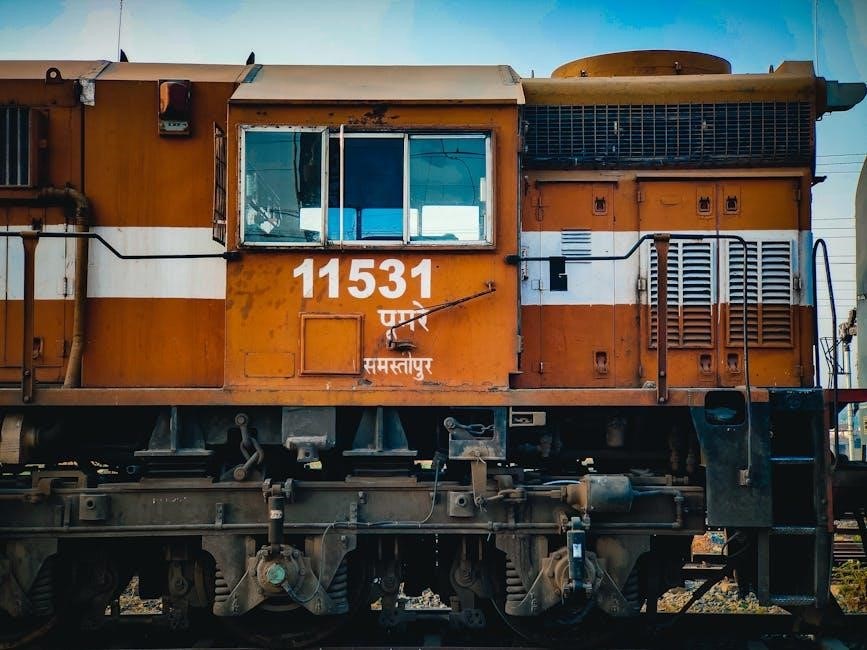
diesel size guide
Diesel Engine Size Guide: An Overview
Diesel engines‚ often larger in displacement‚ are crucial for transportation and power generation․ Understanding engine size – measured in liters or cubic inches – is vital for optimal performance and application․
Understanding Diesel Displacement
Diesel displacement refers to the total volume swept by all the pistons within an engine’s cylinders during one complete cycle․ It’s a fundamental characteristic influencing power output and efficiency․ Calculating displacement involves the cylinder bore (diameter)‚ piston stroke (distance traveled)‚ and the number of cylinders․ The formula highlights that a larger displacement generally equates to a greater potential for generating torque․
Historically‚ engine displacement was often expressed in cubic inches‚ particularly in the U;S․‚ but transitioned to liters to align with global standards․ This shift reflected the increasing competition in the international automotive market․ Understanding displacement is key because it directly impacts an engine’s ability to draw in air and fuel‚ ultimately determining its power capabilities․ It’s a core concept for anyone delving into diesel engine mechanics or performance․
Historical Context of Diesel Engine Sizing
Rudolf Diesel’s initial 1879 designs focused on efficiency‚ leading to larger‚ heavier engines compared to contemporary steam engines․ Early diesel engines prioritized torque for industrial applications‚ necessitating substantial displacement․ As automotive applications emerged‚ sizing evolved‚ but the inherent need for compression ignition retained the trend towards larger volumes․
The transition from expressing displacement in cubic inches to liters‚ occurring in the 1970s-90s‚ mirrored the globalization of the automotive industry․ U․S․ manufacturers adopted the metric system to compete internationally․ Throughout history‚ diesel engine size has been dictated by balancing fuel efficiency‚ power demands‚ and technological limitations․ The demand for transportation‚ particularly in regions like China with a reliance on gasoline trucks due to diesel supply constraints‚ continues to shape sizing trends․
Why Diesel Engines Have Larger Displacements
Diesel engines require higher compression ratios than gasoline engines to ignite fuel without a spark․ Achieving this compression necessitates robust construction and‚ consequently‚ larger cylinder volumes – hence‚ larger displacements․ Ignition lag‚ a characteristic of diesel combustion‚ limits maximum engine speeds (typically around 4500 rpm)․ To produce comparable power to a higher-revving gasoline engine‚ a diesel must displace more air and fuel per cycle․
Smaller‚ 1-liter gasoline engines can operate efficiently at 7000+ rpm‚ reducing the need for large displacement․ Diesel combustion is slower‚ demanding a greater volume to complete the process effectively․ This fundamental difference in combustion characteristics explains why diesel engines generally exhibit larger displacements to deliver similar performance levels․
Diesel vs․ Gasoline Engine Displacement: A Comparison
Historically‚ U․S․ automotive engine displacement was measured in cubic inches‚ transitioning to liters to compete globally․ Gasoline engines typically have smaller displacements‚ relying on higher rotational speeds (RPM) for power output․ A 1-liter gasoline engine can achieve performance comparable to a larger diesel due to its ability to operate at significantly higher RPMs – exceeding 7000 rpm is common․
Diesel engines‚ constrained by slower combustion and ignition lag‚ prioritize torque at lower RPMs․ Consequently‚ they require larger displacements to generate equivalent power․ While a gasoline engine might produce 150 horsepower from 1․6 liters‚ a diesel may need 2․0 liters or more to achieve similar results․ This difference reflects the distinct combustion processes and operational characteristics of each engine type․
Key Factors Influencing Diesel Engine Size
Engine size is determined by cylinder volume‚ cylinder count‚ and RPM․ Ignition lag necessitates larger displacements for diesels to achieve optimal power delivery․
Cylinder Volume and Engine Displacement Calculation
Engine displacement fundamentally relates to the total volume swept by all pistons within the cylinders during one complete cycle․ Calculating this involves determining the volume of a single cylinder‚ achieved by considering the cylinder’s bore (diameter) and stroke (distance the piston travels)․ The formula utilizes the radius – half the bore – and applies it to calculate the cylinder’s area․
This area is then multiplied by the stroke length to yield the cylinder’s volume․ Crucially‚ to ascertain the total engine displacement‚ this single-cylinder volume is then multiplied by the number of cylinders present in the engine configuration․ This resulting figure‚ expressed in liters or cubic inches‚ represents the engine’s overall displacement‚ a key indicator of its potential power output and fuel consumption characteristics․

Number of Cylinders and Displacement
The number of cylinders in a diesel engine directly impacts its overall displacement and operational characteristics․ More cylinders generally allow for a smoother power delivery and reduced vibrations‚ but also increase engine complexity and weight․ A higher cylinder count‚ when combined with a consistent cylinder volume‚ naturally results in a larger total engine displacement․
Common configurations include inline-four‚ inline-six‚ V6‚ and V8 layouts․ Each cylinder contributes to the total displacement; therefore‚ multiplying the volume of a single cylinder by the total cylinder count provides the engine’s displacement․ Engines with greater cylinder numbers often exhibit improved balancing and can handle higher power outputs‚ making them suitable for demanding applications like heavy-duty trucks and marine vessels․
The Role of RPM in Diesel Engine Design
Diesel engines typically operate at lower Revolutions Per Minute (RPM) compared to gasoline engines due to the nature of the combustion process․ Ignition lag‚ inherent in diesel combustion‚ limits the engine’s ability to efficiently process fuel at higher speeds․ While gasoline engines can readily exceed 7000 RPM‚ diesels generally peak around 4500 RPM or lower․
This lower RPM range necessitates a larger displacement to produce comparable power output․ A larger displacement allows each combustion event to generate more energy‚ compensating for the fewer combustion cycles per minute․ Engine designers carefully balance displacement‚ cylinder count‚ and RPM to optimize power‚ torque‚ and fuel efficiency․ Consequently‚ diesel engine design prioritizes robust low-end torque over high-revving power․
Impact of Ignition Lag on Diesel Engine Size
Ignition lag – the delay between fuel injection and combustion – significantly influences diesel engine size․ Unlike gasoline engines that use spark ignition‚ diesels rely on compression ignition‚ requiring a finite time for fuel-air mixture to ignite․ This lag restricts the engine’s operational RPM range‚ preventing efficient combustion at higher speeds․
To overcome this limitation and achieve sufficient power‚ diesel engines employ larger displacements․ A larger cylinder volume provides more time for complete combustion despite the ignition delay․ This design choice ensures adequate energy release during each cycle‚ even at lower RPMs․ Consequently‚ the inherent characteristic of ignition lag directly correlates with the need for larger diesel engine capacities‚ impacting overall engine design and performance characteristics․
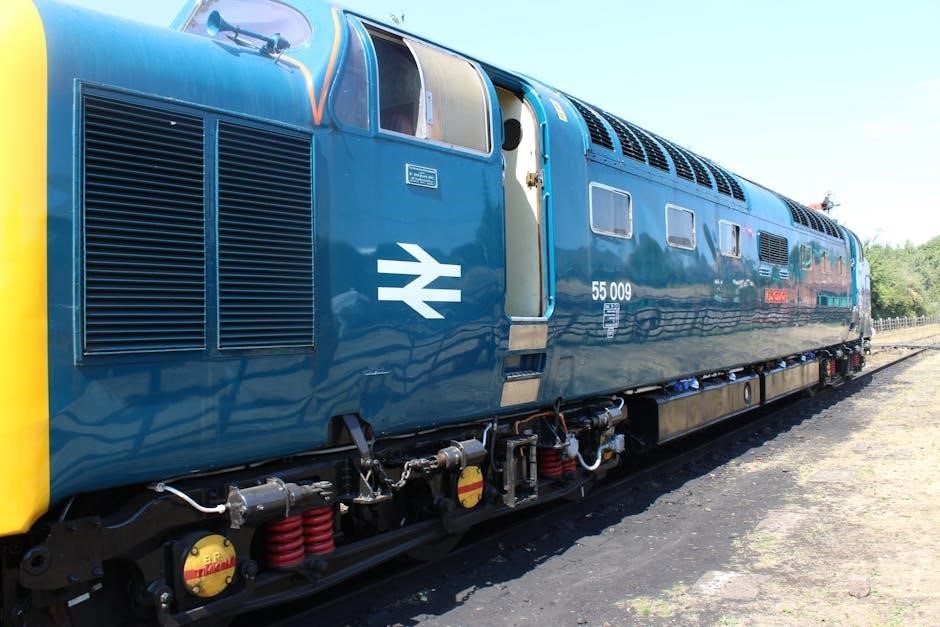
Diesel Engine Sizes and Applications
Diesel engines span a wide range‚ from compact 2․0L units in cars to massive 5․0L+ engines powering heavy-duty trucks and marine vessels‚ each suited for specific tasks․
Small Diesel Engines (Under 2․0L)
Small diesel engines‚ typically under 2․0 liters in displacement‚ are increasingly common in compact cars‚ light-duty trucks‚ and various industrial applications․ These engines prioritize fuel efficiency and lower emissions‚ making them attractive for urban driving and environmentally conscious consumers․
Historically‚ smaller diesel engines faced challenges in meeting stringent emission standards‚ but advancements in technology – such as diesel particulate filters (DPFs) and selective catalytic reduction (SCR) systems – have significantly improved their performance․ They often feature turbocharging to boost power output without substantially increasing engine size․
These engines are particularly popular in Europe and Asia‚ where diesel fuel is readily available and fuel economy is highly valued․ While less prevalent in North America‚ their adoption is growing as manufacturers seek to meet increasingly strict fuel efficiency regulations․ They offer a balance between power‚ efficiency‚ and affordability‚ making them a versatile choice for a range of applications․
Medium Diesel Engines (2․0L ‒ 5․0L)
Medium diesel engines‚ ranging from 2․0L to 5․0L‚ represent a sweet spot for many applications‚ balancing power‚ efficiency‚ and durability․ These engines are frequently found in full-size pickup trucks‚ SUVs‚ and commercial vans‚ providing ample torque for towing and hauling․ They are also common in medium-duty trucks and buses․
The larger displacement allows for greater combustion efficiency and higher power output compared to smaller diesels․ Turbocharging and common-rail direct injection are standard features‚ enhancing performance and reducing emissions; These engines often incorporate advanced technologies like variable geometry turbochargers (VGTs) to optimize performance across a wider range of engine speeds․
Manufacturers often offer multiple power levels within this displacement range‚ catering to diverse customer needs․ They are a popular choice for both personal and commercial use‚ offering a robust and reliable power source for demanding tasks․ Their widespread availability and proven track record contribute to their continued popularity․
Large Diesel Engines (Above 5․0L)
Large diesel engines‚ exceeding 5․0L in displacement‚ are the workhorses of heavy-duty applications․ Predominantly found in heavy-duty trucks‚ construction equipment‚ agricultural machinery‚ and marine vessels‚ these engines deliver immense power and torque․ Their robust construction ensures longevity and reliability under extreme operating conditions․
These engines often feature multiple cylinders – typically six‚ eight‚ or even more – to generate substantial horsepower․ Advanced technologies like turbocharging‚ intercooling‚ and high-pressure common-rail fuel injection are essential for maximizing efficiency and minimizing emissions․ They are designed to withstand continuous‚ high-load operation․
Furthermore‚ large diesels are crucial for powering generators and industrial equipment․ Demand for transportation services‚ particularly in regions like China‚ continues to drive the growth of these larger displacement engines‚ despite increasing focus on alternative fuels and electrification․ Their ability to handle demanding workloads remains unparalleled․

Units of Measurement for Diesel Engine Displacement
Engine displacement is commonly expressed in liters globally‚ while historically‚ the U․S․ used cubic inches․ Both units define the total volume swept by the pistons․
Liters vs․ Cubic Inches
Diesel engine displacement can be quantified using two primary units: liters (L) and cubic inches (cu in)․ Historically‚ the United States automotive industry predominantly utilized cubic inches to denote engine size․ However‚ with increasing globalization and the need to align with international standards‚ a shift towards liters occurred during the 1970s and 1990s․
One liter is equivalent to 61․0237 cubic inches․ This conversion factor is essential when comparing engines specified in different units․ Liters offer a metric system advantage for international consistency‚ simplifying comparisons across manufacturers and regions․ While cubic inches remain recognizable to some‚ liters are now the prevailing standard for diesel engine specifications worldwide․
Understanding this distinction is crucial for anyone researching or comparing diesel engines‚ ensuring accurate interpretation of performance characteristics and capabilities․ The transition reflects a broader trend towards standardization in the automotive industry․

Global Standards for Engine Displacement
Diesel engine displacement isn’t governed by a single‚ universally enforced standard‚ but strong regional preferences and regulations exist․ Europe and Asia predominantly utilize the metric system‚ expressing displacement in liters (L)․ This aligns with broader industrial and scientific practices within these regions․
North America‚ while increasingly adopting liters‚ historically favored cubic inches (cu in)․ However‚ for international competitiveness and consumer understanding‚ liter measurements are now commonly displayed alongside or instead of cubic inches․
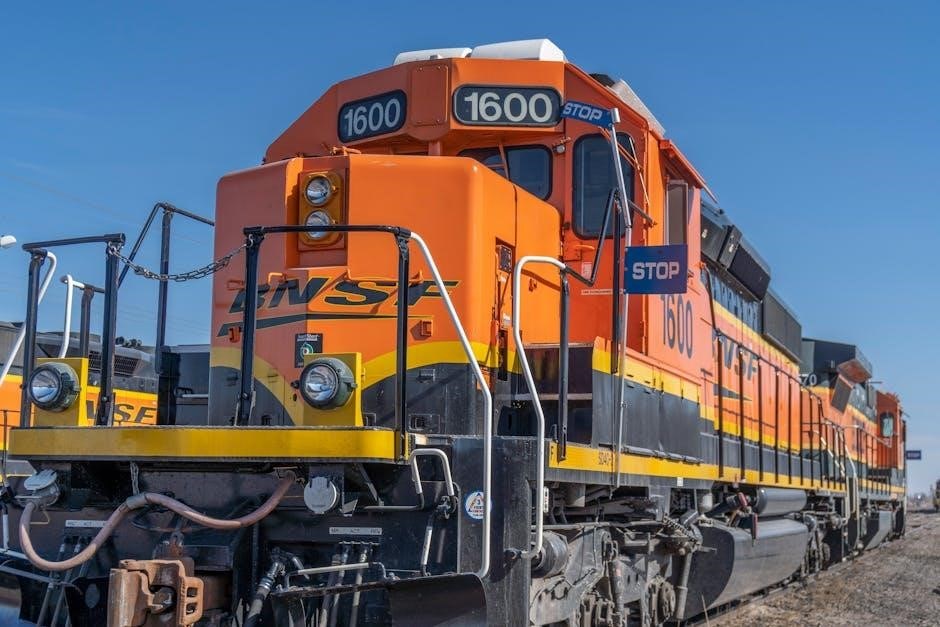
Regulatory bodies often impose displacement-based taxes or emission standards‚ indirectly influencing engine sizing․ These regulations vary significantly by country‚ impacting manufacturer design choices․ Generally‚ larger diesel engines face stricter emission controls․ Therefore‚ global standards are a complex interplay of measurement preference‚ trade considerations‚ and environmental policy․

Future Trends in Diesel Engine Sizing
Diesel growth hinges on transportation demand‚ particularly in emerging markets like China․ Gasoil/diesel fuel types will evolve‚ impacting engine efficiency and size optimization․
Demand for Transportation and Diesel Growth
Diesel’s future is inextricably linked to the ever-increasing global demand for transportation services‚ especially freight․ A significant portion of the trucking fleet in countries like China currently relies on gasoline engines due to limitations in gasoil/diesel supply․ However‚ as infrastructure improves and diesel availability expands‚ a shift towards diesel-powered trucks is anticipated‚ driving further growth in the diesel market․
This increased demand will necessitate advancements in diesel engine technology‚ focusing on improved efficiency‚ reduced emissions‚ and optimized sizing․ The need for powerful and reliable engines in heavy-duty applications will continue to favor diesel‚ despite the rise of alternative fuel technologies․ Consequently‚ understanding the nuances of diesel engine displacement and its impact on performance will become even more critical for manufacturers and consumers alike․
The expansion of global trade and logistics networks will further solidify diesel’s position as a primary fuel source for transportation‚ ensuring continued relevance and innovation in diesel engine design and sizing․
Diesel Fuel Types: Gas Oil vs․ Diesel Oil
Diesel fuels aren’t monolithic; distinctions exist between gas oil and diesel oil‚ impacting engine performance and application․ Gas oil‚ often referred to as light diesel‚ is commonly used in automotive diesel engines and agricultural machinery‚ providing efficient combustion for varied speeds and loads․ It’s the fuel powering most modern diesel vehicles․
Conversely‚ diesel oil‚ or heavy diesel‚ is typically employed in low-speed diesel engines‚ such as those found in large marine vessels and stationary power generators․ These engines require a fuel with higher energy density and different combustion characteristics․ The difference stems from refining processes and intended engine operation․
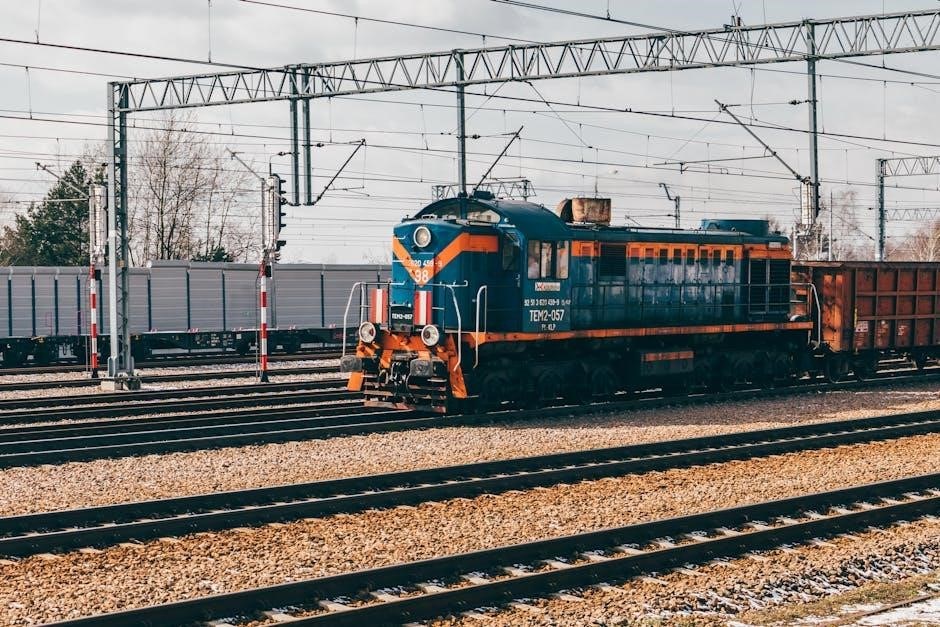
Understanding this distinction is crucial when considering diesel engine sizing․ Engines designed for gas oil will differ in compression ratio and fuel injection systems compared to those optimized for diesel oil‚ influencing overall displacement and power output․