
shacharit morning prayer pdf
Shacharit Morning Prayer PDF: A Comprehensive Guide
Shacharit, the daily morning prayer, is readily available in PDF format for personal and communal use, offering structured guidance through its essential components.
These PDFs often include Hebrew text alongside transliterations and English translations, aiding understanding and proper pronunciation for all levels of practice.
Various versions, like Ashkenazi and Sephardi, cater to different traditions, ensuring accessibility and relevance for diverse Jewish communities worldwide.
Shacharit, meaning “morning” in Hebrew, represents the first of the three daily prayers recited by observant Jews. It’s a cornerstone of Jewish spiritual practice, connecting individuals to God and establishing a mindful start to the day. The availability of Shacharit prayer in PDF format has significantly broadened access to this ancient tradition.
These PDFs serve as portable siddurim (prayer books), offering the complete text of the service, often including both Hebrew and English translations. This accessibility is particularly valuable for those learning the prayers or traveling. The structure of Shacharit is deeply rooted in biblical verses and rabbinic interpretations, evolving over centuries.
Understanding the historical context and theological underpinnings of Shacharit enhances the prayer experience, transforming it from rote recitation into a meaningful dialogue with the Divine. The PDF format facilitates this study, allowing users to easily annotate and reference the text.
What is Shacharit?
Shacharit is the first prayer service in the traditional Jewish liturgy, performed ideally after sunrise. It’s a comprehensive service encompassing blessings, scriptural readings, and petitions, designed to express gratitude for the gift of life and to reaffirm one’s commitment to God’s commandments. The convenience of a Shacharit morning prayer PDF allows for focused devotion.
The service begins with introductory prayers like Modeh Ani, expressing thanks for the restoration of the soul, and progresses through a series of blessings and the central Amidah (Standing Prayer). PDFs often include detailed transliterations, aiding pronunciation for those unfamiliar with Hebrew.
Shacharit isn’t merely a recitation of words; it’s a structured meditation, a conversation with the Divine. Accessing the service via PDF enables personalized study and deeper engagement with the text, fostering a more meaningful spiritual experience.
The Importance of Daily Prayer
Daily prayer, particularly Shacharit, holds a central place in Jewish life, fostering a continuous connection with God and providing a framework for moral and spiritual growth. A Shacharit morning prayer PDF facilitates consistent practice, even amidst busy schedules, by offering readily available access to the service.
The act of daily prayer cultivates gratitude, humility, and a sense of purpose. It’s believed to refine one’s character and strengthen faith. Utilizing a PDF allows for focused study of the prayers’ meanings, enhancing the spiritual impact.
Moreover, communal prayer, often guided by a PDF, strengthens bonds within the Jewish community. Consistent engagement with Shacharit isn’t simply a religious obligation, but a vital practice for a fulfilling and meaningful life.

Structure of the Shacharit Prayer Service
Shacharit’s structure, detailed in many PDFs, unfolds with preliminary prayers, the central Amidah, and concluding Psalms and prayers, creating a sacred rhythm.
PDFs clearly outline each section.
Preliminary Prayers (Before the Amidah)
Shacharit’s preliminary prayers, comprehensively detailed within accessible Shacharit PDFs, prepare the worshiper for the central Amidah. These foundational elements establish a mindset of gratitude and reverence.
Modeh Ani, the first words of the day, express thankfulness for the restoration of the soul, often found prominently displayed in PDF guides. Following this, Netilat Yadayim, ritual hand washing, symbolizes purification, with PDFs providing guidance on its proper execution.
Birkot Hashachar, the morning blessings, constitute a series of blessings recited upon waking, covering diverse themes like Torah study, fulfilling commandments, and appreciating the natural world. PDFs often present these blessings in Hebrew, transliteration, and English translation, facilitating comprehension and participation. These preliminary prayers, readily available in downloadable PDFs, are crucial for a meaningful Shacharit experience, setting the tone for focused devotion.
They are a vital component of the overall service.
Modeh Ani: The First Words of the Day

Modeh Ani, meaning “I give thanks,” represents the initial utterance upon awakening, a cornerstone of the Shacharit service detailed in numerous Shacharit prayer PDFs. This brief yet profound declaration expresses gratitude to God for the gift of life and the restoration of the soul after sleep.
PDF resources frequently present Modeh Ani in its original Hebrew – מוֹדֶה אֲנִי לְפָנֶֽיךָ מֶֽלֶךְ חַי וְקַיָּם – alongside transliteration and an English translation, enabling broader accessibility.
The prayer acknowledges God as the “living and eternal King” and recognizes the immense compassion shown in returning one’s soul. Many PDFs highlight its significance as a foundational act of faith, initiating the day with thankfulness. Learning resources within these PDFs emphasize the importance of reciting Modeh Ani with intention and sincerity, setting a positive and grateful tone for the day ahead, and preparing the heart for further prayer.
Netilat Yadayim: Ritual Hand Washing
Netilat Yadayim, the ritual washing of hands, is a crucial preparatory step before prayer, meticulously outlined in Shacharit morning prayer PDFs. This practice isn’t merely about hygiene; it symbolizes purification and spiritual readiness to stand before God.
PDF guides detail the specific procedure: water must be poured over each hand three times, alternating between the right and left. These resources often include diagrams illustrating the correct technique.
The accompanying blessing recited during Netilat Yadayim, also found within these PDFs, affirms the commandment to perform this ritual. Many Shacharit PDFs emphasize that proper Netilat Yadayim is a prerequisite for the sincerity of subsequent prayers. They clarify that the water must be poured over the hands, not simply used to wash them. Understanding this practice, as presented in these guides, enhances the mindful approach to prayer.
Birkot Hashachar: Morning Blessings
Birkot Hashachar, the morning blessings, form a significant portion of the Shacharit service, and are comprehensively detailed within Shacharit morning prayer PDFs. These blessings express gratitude for various gifts and experiences, acknowledging God’s constant kindness.
PDFs typically present these blessings in Hebrew, alongside transliterations and English translations, facilitating understanding and participation. Common themes include gratitude for life, the ability to perceive the world, and for fulfilling God’s commandments.
These guides often categorize the blessings, explaining their specific focus – for example, blessings related to hearing, sight, or physical abilities. Some PDFs offer insights into the historical context and spiritual significance of each blessing. Mastering these blessings, aided by these resources, cultivates a mindset of thankfulness and prepares the heart for deeper prayer.
The Amidah (Standing Prayer)

The Amidah, also known as the Standing Prayer, is the central and most substantial prayer within the Shacharit service, and is extensively covered in Shacharit morning prayer PDFs. These PDFs provide the complete Hebrew text, often with transliteration and English translations, enabling focused and meaningful engagement.
PDF guides typically break down the Amidah into its constituent blessings, explaining the themes and intentions behind each section. Users can find detailed explanations of the historical development and theological significance of the Amidah’s core elements.
Many resources highlight the importance of kavanah (intention) during the Amidah, encouraging mindful recitation. Some PDFs offer variations for special occasions or fast days, ensuring a comprehensive resource for daily and occasional prayer needs.
Blessings of the Amidah: A Breakdown
Shacharit morning prayer PDFs meticulously detail the Amidah’s blessings, typically beginning with three blessings of praise – Avot, Gevurot, and Kedushah – offering historical context and thematic explanations. These PDFs often present the Hebrew text alongside English translations and transliterations for accessibility.
Subsequent blessings focus on requests – for knowledge, repentance, healing, and sustenance – with PDFs clarifying the specific intentions behind each petition. Detailed breakdowns explain the nuances of each blessing’s wording and its connection to Jewish theology.
Concluding blessings express gratitude and petition for peace, with PDFs highlighting the importance of mindful recitation. Many resources include commentaries from prominent rabbis, enriching understanding and deepening the prayer experience.
The Central Themes of the Amidah
Shacharit prayer PDFs emphasize that the Amidah’s central themes revolve around acknowledging God’s kingship, recalling historical acts of redemption, and petitioning for present and future needs. These PDFs often highlight the progression from praise to supplication, mirroring a relationship with the Divine.
A recurring theme is teshuvah (repentance), urging self-reflection and a commitment to ethical living. PDFs frequently explain how each blessing connects to these overarching themes, providing a holistic understanding of the prayer’s message.
The importance of gratitude, both for past blessings and anticipated future ones, is also prominent. Many PDFs include commentaries that explore the philosophical and spiritual depth of these central themes, enriching the prayer experience and fostering a deeper connection with faith.
Psukim and Prayers within Shacharit
Shacharit prayer PDFs meticulously detail the psukim (verses) and prayers interwoven throughout the service, beyond the Amidah. Key components like the Shema, a declaration of faith in God’s unity, are prominently featured with Hebrew text, transliteration, and English translations.
PDFs often explain the significance of V’ahavta, commanding love for God, and Kidushat HaShem, sanctifying God’s name, outlining their historical context and spiritual meaning; These resources frequently include guidance on proper pronunciation and intention during recitation.
Many PDFs also incorporate additional prayers and readings, offering a comprehensive overview of the Shacharit service, ensuring users can fully participate and understand each element within the broader liturgical framework.
Shema: Declaration of Faith
Shacharit prayer PDFs dedicate significant space to the Shema, arguably the most central prayer in Jewish liturgy – a declaration of monotheistic faith. These PDFs present the Hebrew text of the Shema (“Hear, O Israel: The Lord our God, the Lord is One”) alongside detailed transliterations to aid pronunciation.
Comprehensive PDFs provide English translations, often with explanatory notes on the historical and theological significance of each verse. They clarify the Shema’s three paragraphs, detailing their individual themes and collective message of God’s unity and sovereignty.
Many resources also explain the customary practice of reciting the Shema with focused intention, emphasizing its importance as a daily affirmation of Jewish belief and commitment to God.
V’ahavta: Loving God
Shacharit prayer PDFs seamlessly follow the Shema with V’ahavta (“And you shall love”), a commandment to love God with all one’s heart, soul, and might. These PDFs present the Hebrew text, alongside transliterations designed to assist with accurate pronunciation for those less familiar with the language.
Detailed PDFs offer English translations, often accompanied by commentaries explaining the depth of this commandment and its implications for daily life. They highlight the connection between intellectual acknowledgement of God’s unity (Shema) and the emotional commitment to love Him.
Resources often emphasize the practical application of V’ahavta, encouraging mindful integration of God’s presence into all aspects of thought, speech, and action, fostering a deeper spiritual connection;
Kidushat HaShem: Sanctification of God’s Name
Shacharit prayer PDFs incorporate Kidushat HaShem, a powerful declaration sanctifying God’s name, often recited responsively between the leader and the congregation. These PDFs meticulously present the Hebrew text, frequently including vowel markings to aid pronunciation, alongside clear English translations.
Many PDFs provide contextual explanations, detailing the historical significance of this prayer and its profound theological message – affirming God’s sovereignty and holiness. They often highlight the importance of reciting these words with reverence and intention.
Some resources include guidance on the subtle nuances of the recitation, noting specific points where the congregation joins in, fostering a sense of communal devotion. The prayer leader speaks the first words, “Praise Adonai,” to alert the congregation.

Understanding the Hebrew Text
Shacharit PDFs often feature Hebrew prayers with transliterations and English translations, aiding comprehension. Key words like Adonai are explained, enhancing prayerful engagement.
Key Hebrew Words and Phrases
Shacharit PDFs frequently include glossaries defining essential Hebrew terms, crucial for deeper understanding. Modeh Ani (מוֹדֶה אֲנִי), the first prayer, expresses gratitude – “I give thanks to You.” Adonai (אֲדֹנָי), often representing God’s name, appears throughout, requiring respectful pronunciation.
Understanding Birkot Hashachar (morning blessings) involves recognizing phrases like Baruch Atah Adonai (בָּרוּךְ אַתָּה יְהֹוָה), meaning “Blessed are You, Lord.” The Shema (שְׁמַע) – “Hear, O Israel” – is a central declaration of faith.
PDFs often explain Kidushat HaShem (Sanctification of God’s Name), a powerful affirmation. Recognizing these key phrases, alongside their transliterations, empowers meaningful participation in Shacharit. Many PDFs provide contextual explanations, enriching the prayer experience and fostering a stronger connection to the Hebrew language and Jewish tradition.
Transliteration and Pronunciation
Shacharit PDFs commonly offer transliterations – Romanized spellings of Hebrew words – aiding pronunciation for those unfamiliar with the alphabet. However, transliteration systems vary; PDFs should clarify their chosen method. Accurate pronunciation is vital, especially for names like Adonai, where subtle sounds impact meaning.
Many PDFs include pronunciation guides, detailing vowel sounds and emphasizing correct articulation. Some utilize audio links, allowing users to hear native speakers reciting prayers. Understanding Hebrew vowel markings (nikud) enhances pronunciation accuracy, though PDFs often simplify this for beginners.
Consistent practice, guided by PDF resources, builds confidence. Recognizing the relationship between Hebrew letters, transliterations, and sounds is key. Proper pronunciation demonstrates respect and deepens the spiritual connection during Shacharit prayer.
The Role of Adonai in Prayer
Within Shacharit, “Adonai” – often translated as “Lord” – holds central significance. Shacharit PDFs frequently highlight its prevalence, demonstrating reverence and acknowledging God’s sovereignty. The term appears throughout blessings and core prayers like the Shema, emphasizing a direct relationship with the Divine.
Many PDFs explain the traditional practice of substituting “Adonai” for the unpronounceable Tetragrammaton (YHWH) out of respect. Understanding this nuance deepens appreciation for Jewish liturgical customs. The prayer leader often initiates key phrases with “Praise Adonai,” signaling communal participation.
PDFs often provide context for Adonai’s role in each prayer, clarifying its meaning and impact. Recognizing Adonai as a name embodying God’s qualities fosters a more meaningful and focused prayer experience during Shacharit.

Finding and Using Shacharit PDFs
Shacharit PDFs are easily accessible online through Jewish websites and organizations, offering convenient access to prayer texts for personal or communal practice.
Users can download and utilize these PDFs for daily prayer, study, or travel, enhancing their spiritual connection and observance.
Where to Download Shacharit PDFs
Numerous online resources provide downloadable Shacharit prayer PDFs, catering to diverse needs and preferences. Sefaria (sefaria.org) is a prominent platform offering a comprehensive library of Jewish texts, including various Shacharit versions with translations and commentaries. My Jewish Learning (myjewishlearning.com) also features accessible PDFs and guides to Jewish prayer.
HebrewBooks.org hosts a vast collection of digitized Jewish books, often including siddurim (prayer books) in PDF format. Additionally, many synagogues and Jewish community centers make Shacharit PDFs available on their websites for members and visitors. A simple online search using keywords like “Shacharit PDF download” will yield a multitude of options.

It’s important to verify the source and ensure the PDF aligns with your specific minhag (custom) – Ashkenazi, Sephardi, or other – to maintain proper liturgical practice. Consider downloading from reputable sources to guarantee accuracy and authenticity of the text.
Different Versions of Shacharit PDFs (Ashkenazi, Sephardi)
Shacharit prayer PDFs aren’t uniform; significant variations exist between Ashkenazi and Sephardi traditions, reflecting distinct historical and cultural influences. Ashkenazi siddurim (prayer books) generally feature a more elaborate structure with additional prayers and poetic insertions not found in Sephardi versions.
Sephardi Shacharit tends to be more concise, emphasizing core biblical verses and traditional formulations. Differences also appear in pronunciation of Hebrew, liturgical melodies, and the inclusion or omission of specific blessings. When downloading a PDF, it’s crucial to identify whether it’s Ashkenazi or Sephardi to ensure alignment with your community’s customs.
Some PDFs cater to specific sub-traditions within Ashkenazi or Sephardi Judaism. Carefully review the introductory notes or table of contents to determine the precise minhag represented, guaranteeing a proper and meaningful prayer experience.
Using a PDF for Personal Prayer
A Shacharit prayer PDF offers a convenient and accessible way to engage in personal prayer, especially when a physical siddur isn’t readily available. Utilizing the PDF, one can follow the service at their own pace, pausing to reflect on the meaning of the words and blessings.
Features like transliteration and English translations are invaluable for those still learning Hebrew, fostering deeper understanding and connection. Digital PDFs allow for easy searching of specific prayers or sections, aiding focused study and practice.
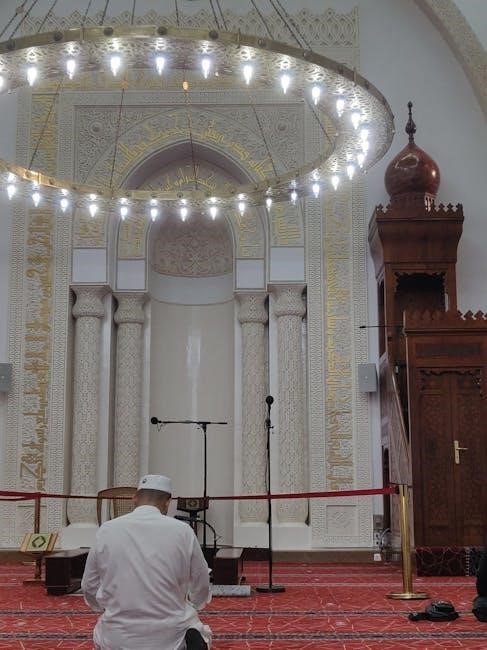
Consider printing sections for focused study or using a tablet for portability. Remember, the PDF is a tool to enhance your prayer experience, promoting mindfulness and spiritual growth. Maintaining a respectful attitude and proper kavanah (intention) remains paramount.

Resources for Learning Shacharit
Online platforms and dedicated books provide comprehensive guidance on Shacharit, supplementing PDF study with deeper insights into its meaning and proper recitation.
Community learning opportunities further enhance understanding, fostering a supportive environment for exploring Jewish prayer traditions.
Online Resources and Websites
Numerous websites offer invaluable resources for learning and understanding Shacharit, often providing downloadable PDF versions of the prayer service with accompanying translations and explanations. Sefaria (sefaria.org) stands out as a prominent platform, offering a vast library of Jewish texts, including Shacharit, with interactive features and community-sourced annotations.
My Jewish Learning (myjewishlearning.com) provides accessible articles and guides on Jewish prayer, including detailed breakdowns of the Shacharit service and its various components. Chabad.org (chabad.org) offers a wealth of information on Jewish practice, including Shacharit prayers, with specific guidance for different traditions.
Hebcal (hebcal.com) provides daily prayer times and access to prayer texts, including Shacharit, while also offering transliterations to aid pronunciation. These resources collectively empower individuals to deepen their connection to Shacharit and enhance their prayer experience, making the PDF format even more accessible and meaningful.
Books and Guides on Jewish Prayer
Several comprehensive books serve as excellent companions to the Shacharit morning prayer, offering deeper insights into its meaning, history, and proper recitation. “The Complete ArtScroll Siddur” is a widely respected resource, providing the full Hebrew text alongside a clear English translation and insightful commentary, often available in PDF format for digital access.
“Daily Prayer Book” by Rabbi Nathan Lopes Cardozo offers a philosophical exploration of Jewish prayer, including Shacharit, encouraging a more mindful and meaningful experience. “To Pray: A Guide to Jewish Prayer” by Rabbi Hayim Halevy Donin provides a detailed overview of Jewish prayer practices, with a dedicated section on Shacharit.
These books often explain the historical context and theological underpinnings of each prayer, enhancing understanding and appreciation. Supplementing these with a Shacharit PDF allows for convenient study and practice, bridging traditional learning with modern accessibility.
Community Learning Opportunities
Synagogues and Jewish community centers frequently offer classes and workshops dedicated to understanding and mastering the Shacharit morning prayer. These sessions provide a supportive environment for learning proper pronunciation, delving into the meaning of the prayers, and exploring the historical context.
Many communities now offer online learning opportunities, including virtual classes and study groups, making Shacharit accessible regardless of location. Utilizing a Shacharit PDF alongside these classes allows participants to follow along with the text and reinforce their learning.
Chanting workshops can enhance the melodic aspect of the prayer, fostering a deeper connection to the liturgy. Engaging with a community fosters a shared experience and provides opportunities for questions and discussion, enriching the overall understanding of Shacharit.

Microsoft 365 Outages and Prayer Accessibility (Recent Events)
Recent Microsoft 365 outages impacted access to digital Shacharit PDFs, highlighting the need for offline resources and alternative prayer methods for continuity.
Impact of Outages on Digital Prayer Resources
The recent, widespread Microsoft 365 outages significantly disrupted access to digitally stored Shacharit morning prayer resources, particularly PDF versions relied upon by many for daily practice. Thousands of users experienced issues accessing email and files, directly impacting their ability to retrieve and utilize these essential prayer texts.
This disruption underscored a critical vulnerability: over-reliance on cloud-based services for religious observance. Individuals accustomed to viewing Shacharit PDFs on their computers or mobile devices found themselves temporarily unable to do so, potentially hindering their ability to fulfill their daily prayer obligations. The outage served as a stark reminder of the importance of having backup methods for accessing religious texts.
Furthermore, communities that share Shacharit materials digitally, such as synagogues distributing weekly prayer schedules in PDF format, were also affected, creating challenges for communal worship. The incident prompted discussions about diversifying access methods to ensure continued prayer practice, even during technological disruptions.
Alternative Methods for Accessing Shacharit
Recognizing the potential for digital disruptions, several alternative methods exist for accessing the Shacharit morning prayer. Traditional printed siddurim (prayer books) remain a reliable and readily available resource, independent of internet connectivity. Downloading Shacharit PDFs for offline access before potential outages is a proactive measure, ensuring continued access even without an internet connection.
Many synagogues maintain physical copies of prayer books for congregants, offering a communal solution. Furthermore, memorizing key sections, like the Shema, provides a personal, always-available resource. Utilizing browser extensions that cache webpages, including those hosting Shacharit texts, can also offer limited offline access.
Exploring alternative cloud storage providers, or maintaining a local backup of essential PDF files, diversifies access points. Ultimately, a multi-faceted approach—combining digital and physical resources—enhances resilience and ensures uninterrupted prayer practice.
Ensuring Continued Prayer Practice
Despite potential disruptions like the recent Microsoft 365 outages, maintaining a consistent Shacharit practice remains achievable. Proactive preparation is key: downloading Shacharit PDFs to multiple devices and storing physical siddurim ensures redundancy. Familiarizing oneself with the core prayers—like Modeh Ani and the Shema—allows for recitation even without a text.
Cultivating a prayerful mindset transcends reliance on digital tools. Engaging with the meaning and intention behind the words fosters a deeper connection, independent of format. Participating in communal prayer services provides a supportive environment and shared resource.
Remembering that prayer is fundamentally a conversation with God, not merely a textual recitation, offers resilience. Prioritizing consistent timing and dedicated space reinforces the habit, minimizing the impact of external challenges. Ultimately, a flexible and resourceful approach safeguards this vital spiritual practice.