specialized academic instruction
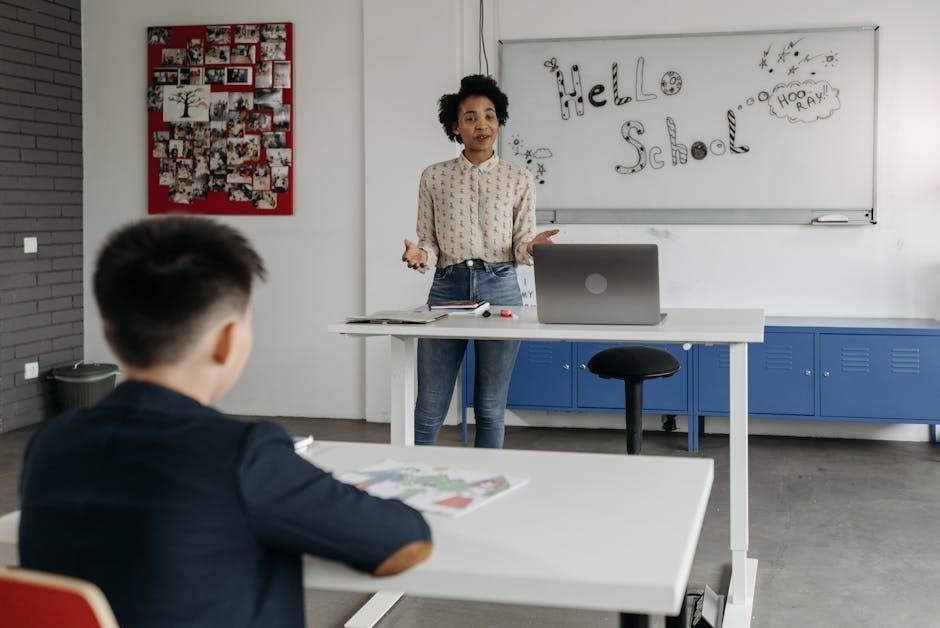
Specialized academic instruction adapts teaching to meet diverse student needs, acknowledging varied learning styles and readiness levels, moving beyond a uniform approach.
Defining Specialized Academic Instruction
Specialized Academic Instruction (SAI) represents a deliberate shift from traditional, standardized teaching methods; It’s an educational approach recognizing that students learn at different paces and in unique ways. Instead of a “one-size-fits-all” model, SAI focuses on tailoring instruction to individual strengths, weaknesses, and learning preferences. This involves modifying content, process, product, and learning environment.
Effective SAI isn’t simply about providing easier work; it’s about providing appropriate work, challenging all learners to reach their full potential through differentiated strategies.
The Core Principles of Differentiated Instruction
Differentiated instruction, central to specialized academic instruction, rests on several key principles. Readiness – matching tasks to student skill levels – is paramount. Interest fuels engagement by connecting learning to student passions. Learning profile acknowledges varied learning styles (visual, auditory, kinesthetic).
These principles guide teachers in offering varied content, process, and product options, ensuring all students access challenging, appropriate, and engaging learning experiences. It’s about maximizing growth for each individual.
Key Strategies in Specialized Academic Instruction
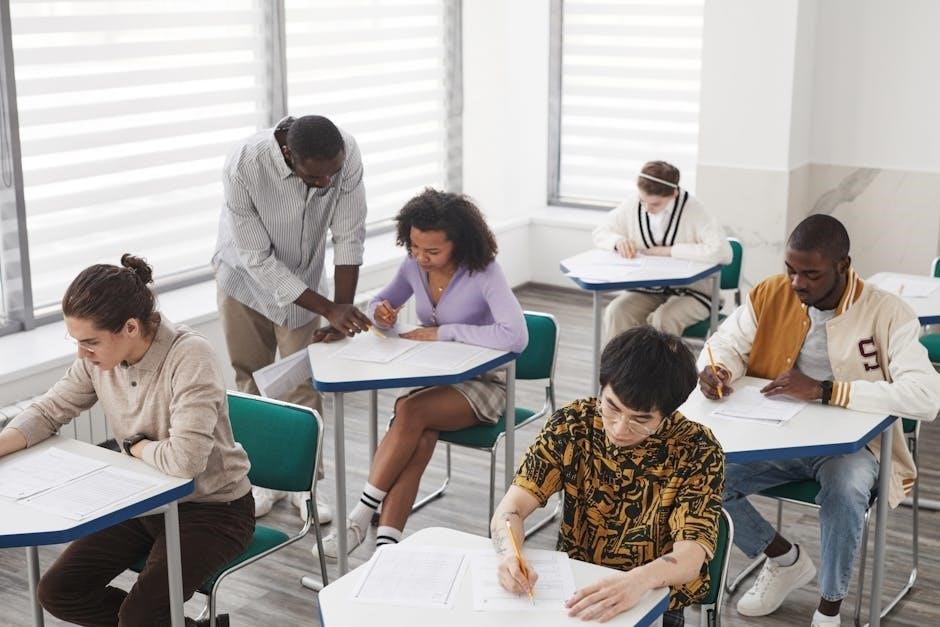
Key strategies include small group rotations, technology integration, and hands-on learning stations, offering varied pathways for students to grasp concepts effectively.
Small Group Rotation Model
The small group rotation model dynamically structures learning by dividing students into groups that cycle through different instruction stations. A teacher station provides targeted remediation or challenges, while a technology rotation utilizes programs like Map Skills Accelerator or Moby Max for consistent practice.
Crucially, a hands-on station employs manipulatives and games to extend learning, mirroring differentiated instruction through content. This approach allows for re-teaching skills to those struggling and offering advanced learners stimulating challenges, fostering a personalized learning experience.
Technology Integration in Instruction
Effective technology integration is a cornerstone of specialized academic instruction, offering personalized learning pathways. Programs like Map Skills Accelerator and Moby Max provide consistent practice and targeted skill development within a rotational model. This allows teachers to address individual student needs efficiently.
Technology isn’t merely a supplement; it’s a tool for differentiation, enabling varied content delivery and assessment. It supports both remediation for struggling learners and extension activities for advanced students, fostering engagement and improved outcomes.
Hands-On Learning Stations
Hands-on learning stations are vital components of specialized academic instruction, providing tactile experiences that cater to diverse learning styles. In mathematics, manipulatives and games extend learning beyond abstract concepts, reinforcing skills in an engaging manner. These stations complement other rotations, like technology integration and teacher-led remediation.
Similarly, science benefits from hands-on experiments – like planting seeds – fostering direct observation and understanding. These stations allow for differentiated practice, supporting both struggling and advanced learners.
Adapting Content for Diverse Learners
Adapting content involves modifying complexity and providing varied materials to match students’ unique abilities, ensuring accessibility and promoting individualized learning experiences.
Modifying Content Complexity
Adjusting the difficulty of material is central to specialized instruction. This means presenting information at different levels to accommodate varying student readiness. For struggling learners, content can be simplified through reduced reading levels, pre-teaching key vocabulary, or breaking down complex tasks into smaller, manageable steps. Conversely, advanced learners benefit from enriched content, challenging extensions, and opportunities for independent research.
Teachers can also modify the scope of the content, focusing on essential concepts for some students while exploring related topics in greater depth with others. This ensures all learners are appropriately challenged and supported.
Providing Varied Learning Materials
Effective specialized instruction utilizes a diverse range of materials to cater to different learning preferences. This extends beyond textbooks to include visual aids, audio recordings, interactive simulations, and hands-on manipulatives. Offering choices empowers students to engage with content in ways that resonate with their individual strengths.
For example, a writing workshop might include graphic organizers, sentence starters, and peer editing opportunities. Providing varied materials ensures accessibility and promotes deeper understanding for all learners, fostering a more inclusive classroom.

Adjusting the Learning Environment
Specialized instruction necessitates adapting the classroom to accommodate individual learning styles, potentially through flexible seating and minimizing distractions for optimal focus.
Accommodating Learning Styles
Specialized academic instruction thrives on recognizing that students absorb and process information differently. Some excel visually, benefiting from diagrams and presentations, while others are auditory learners who flourish through discussions and lectures. Kinesthetic learners require hands-on activities and movement to solidify understanding.
Effective teachers observe these preferences and tailor their approach accordingly. This might involve offering choices in how students demonstrate their knowledge – a written report, an oral presentation, or a visual project. Creating a multi-sensory environment, where various learning modalities are engaged, ensures broader accessibility and deeper comprehension for all students.
Creating Flexible Seating Arrangements
Specialized academic instruction extends beyond instructional methods to encompass the physical learning space. Traditional rows can hinder collaboration and cater to limited learning styles. Flexible seating offers students choices – standing desks, beanbag chairs, floor cushions – promoting comfort and engagement.
This adaptability acknowledges that students concentrate and learn best in different postures and environments. Allowing students to select their preferred seating fosters a sense of ownership and responsibility, ultimately contributing to a more productive and inclusive classroom atmosphere, supporting diverse needs.

Differentiation Through Process
Differentiation through process involves modifying instructional activities to align with student readiness, learning styles, and interests, offering varied pathways to understanding.
Tiered Assignments
Tiered assignments represent a cornerstone of differentiated instruction, offering varying levels of complexity based on student readiness. These aren’t simply different worksheets; they focus on the same core concept but adjust the challenge. For example, a math task might involve different numbers or problem-solving steps.
This approach allows struggling learners to build foundational skills while advanced students explore more challenging applications. Effective tiering requires careful pre-assessment to accurately gauge student understanding and tailor assignments accordingly, ensuring appropriate challenge for all.
Learning Contracts
Learning contracts empower students with increased autonomy and responsibility in their learning journey. These agreements, negotiated between teacher and student, outline specific tasks, resources, timelines, and assessment criteria. Contracts allow students to demonstrate mastery of a concept in a way that aligns with their learning preferences.
They can choose from a menu of activities, fostering engagement and ownership. Successful contracts require clear expectations, regular check-ins, and opportunities for student reflection on their progress and learning outcomes.
Assessment and Monitoring in Specialized Instruction
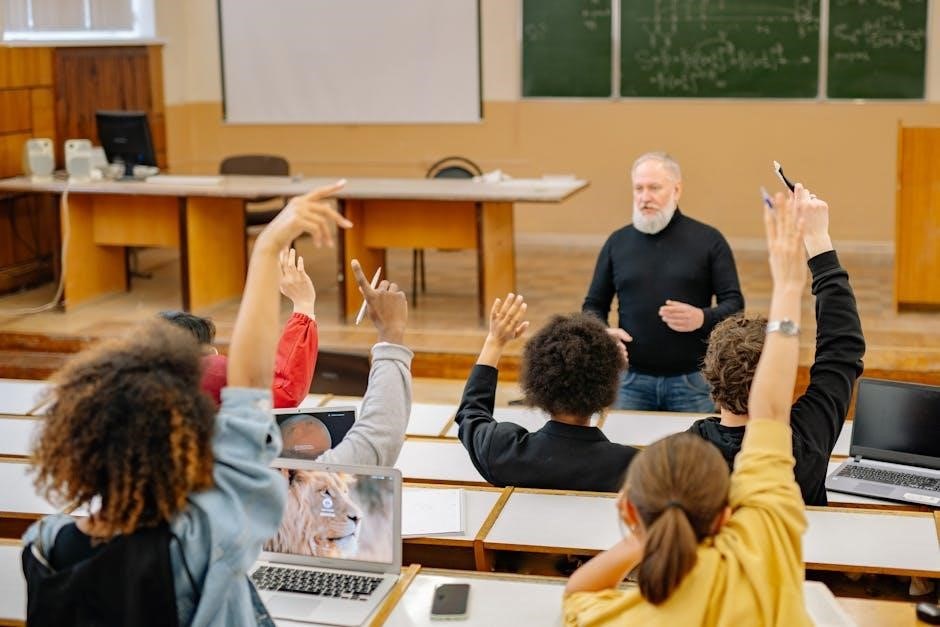
Assessment in specialized instruction utilizes formative techniques to track student progress and adapt instruction, alongside summative adaptations for diverse learners.
Formative Assessment Techniques
Formative assessments are crucial for gauging student understanding during instruction, allowing for immediate adjustments. These aren’t graded in the traditional sense, but provide valuable data. Examples include quick checks for understanding – exit tickets asking students to summarize a concept, or thumbs-up/thumbs-down responses to questions.
Observing students during small group rotations or hands-on activities offers insights into their process. Regular questioning, think-pair-share activities, and brief, informal quizzes also provide ongoing feedback. This continuous monitoring informs teachers about which students need remediation or extension, ensuring personalized learning paths are effective.
Summative Assessment Adaptations
Summative assessments, evaluating learning at the end of a unit, require adaptation for diverse learners. Traditional tests aren’t always equitable. Modifications include providing extended time, reducing the number of questions, or offering alternative formats like oral presentations or projects.
Allowing students to demonstrate understanding through varied means – writing workshops with graphic organizers, or hands-on experiments – caters to different strengths. Rubrics should clearly define expectations, and accommodations should align with individual student needs, ensuring fair and accurate evaluation of mastery.
Examples of Specialized Instruction Across Subjects
Specialized instruction manifests as math remediation/extension, language arts writing workshops utilizing graphic organizers, and science through engaging, hands-on experimental learning activities.
Mathematics: Remediation and Extension
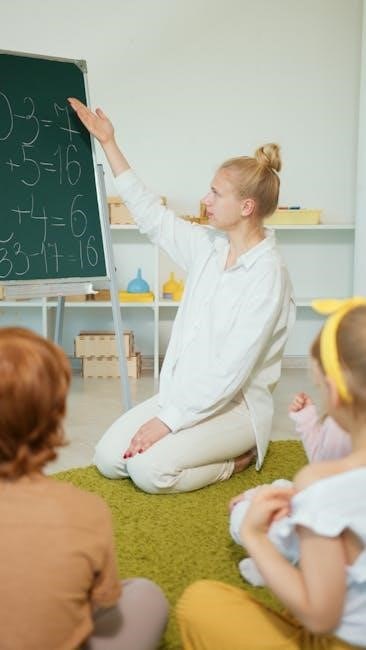
In mathematics, specialized instruction frequently employs a small group rotation model. A teacher station provides targeted remediation for students struggling with core concepts, while simultaneously offering challenging extensions for advanced learners. Technology rotations, utilizing programs like Map Skills Accelerator or Moby Max, offer consistent practice.
Furthermore, hands-on stations with manipulatives and math games deepen understanding and extend learning beyond traditional methods. This approach mirrors differentiated instruction through content, allowing for re-teaching and advanced problem-solving.
Language Arts: Writing Workshops & Graphic Organizers
Specialized instruction in Language Arts thrives on student choice and scaffolding. Writing workshops empower students to draft “how-to” books on personally selected topics, fostering engagement and ownership. Crucially, graphic organizers provide structure, aiding in outlining steps and organizing thoughts before writing.
Complementing this, artistic expression through illustrating book covers adds another layer of learning. These varied activities cater to diverse learning styles and abilities, promoting success for all.
Science: Hands-On Experiments
Specialized instruction in science truly blossoms through engaging, hands-on experiments. A simple activity, like planting a seed, becomes a powerful learning experience when students follow step-by-step instructions. This approach caters to kinesthetic learners and reinforces scientific concepts through direct application.
Such experiments provide opportunities for differentiated support, allowing teachers to modify complexity and provide individualized assistance, ensuring all students can participate and succeed.
The Role of the Teacher in Specialized Instruction
Teachers must consistently observe students, collect data on their progress, and reflect on instructional effectiveness to make ongoing adjustments for optimal learning.
Observation and Data Collection
Systematic observation is fundamental to specialized instruction, allowing teachers to pinpoint individual student needs and learning patterns. This involves actively watching students during various activities – group work, independent practice, and hands-on stations – noting their engagement, struggles, and successes.
Data collection extends beyond anecdotal notes; it includes formative assessment results, work samples, and even student self-assessments. Analyzing this data informs instructional decisions, ensuring lessons are appropriately challenging and supportive. Consistent data tracking reveals trends, guiding teachers to refine their strategies and personalize learning experiences effectively.
Ongoing Reflection and Adjustment
Effective specialized instruction isn’t static; it demands continuous reflection on teaching practices and student outcomes. Teachers must regularly analyze collected data – formative assessments, observation notes – to evaluate the impact of implemented strategies.
This reflective process prompts adjustments to content, process, or environment. Are tiered assignments truly meeting diverse needs? Is technology integration enhancing learning? Flexibility and a willingness to modify approaches based on evidence are crucial for maximizing student growth and ensuring personalized learning experiences.

Benefits of Implementing Specialized Academic Instruction
Specialized instruction fosters increased student engagement and demonstrably improves academic outcomes by catering to individual learning styles and diverse student readiness levels.
Increased Student Engagement
Specialized academic instruction significantly boosts student engagement by offering learning experiences tailored to their individual needs and preferences. When content, process, and environment align with a student’s learning style, motivation naturally increases. This personalized approach moves away from a ‘one-size-fits-all’ model, allowing students to actively participate and take ownership of their learning.
Strategies like small group rotations, hands-on activities, and technology integration provide varied pathways to understanding, captivating students who might otherwise struggle or become disengaged. Ultimately, a more engaged student is a more successful learner.
Improved Academic Outcomes
Specialized academic instruction demonstrably leads to improved academic outcomes by addressing individual learning gaps and fostering a deeper understanding of concepts. By modifying content complexity and providing varied materials, educators ensure all students can access and master the curriculum. Targeted remediation and extension activities, like those in math rotations, support both struggling and advanced learners.
This focused approach, coupled with ongoing assessment and adjustment, results in measurable gains in student achievement and a more equitable learning environment for all.
Challenges and Considerations
Implementing specialized academic instruction requires careful time management and sufficient resource availability for teachers to effectively differentiate learning experiences.
Time Management for Teachers
One significant challenge in implementing specialized academic instruction is the increased demand on teacher time. Differentiating lessons, creating varied materials, and providing individualized support require substantial planning and preparation. Teachers must strategically allocate time for assessment, data analysis, and adjusting instruction based on student needs.
Effectively managing this workload involves prioritizing tasks, utilizing collaborative planning with colleagues, and leveraging available resources. Streamlining administrative duties and focusing on high-impact instructional strategies can also free up valuable time for personalized learning experiences.
Resource Availability
A key consideration for successful specialized academic instruction is adequate resource availability. Implementing differentiated strategies often requires a diverse range of materials, including varied texts, manipulatives, and technology. Schools must ensure teachers have access to these tools to effectively cater to individual student needs;
Limited funding or insufficient access to appropriate resources can hinder the implementation of specialized instruction. Advocating for increased funding, exploring free or low-cost materials, and fostering collaboration among teachers can help overcome these challenges.
Future Trends in Specialized Academic Instruction
Personalized learning technologies and Universal Design for Learning (UDL) are poised to revolutionize instruction, offering flexible, accessible learning experiences for all.
Personalized Learning Technologies
Personalized learning technologies are rapidly transforming specialized instruction, offering adaptive platforms that cater to individual student needs. These tools analyze student performance data to adjust content difficulty and pace, providing targeted support and challenges. Programs like Map Skills Accelerator and Moby Max exemplify this, consistently reinforcing skills.
Furthermore, these technologies facilitate differentiated instruction by offering varied learning materials and pathways. They empower students to learn at their own speed and in ways that best suit their learning styles, ultimately fostering greater engagement and improved academic outcomes.
Universal Design for Learning (UDL)
Universal Design for Learning (UDL) represents a proactive approach to specialized instruction, aiming to minimize barriers to learning for all students. Instead of retrofitting lessons for individual needs, UDL focuses on creating flexible learning environments from the outset. This involves providing multiple means of representation, action and expression, and engagement.
UDL aligns with differentiated instruction by offering options for how students access information, demonstrate understanding, and stay motivated, fostering inclusivity and maximizing learning potential for every learner.